

Commercial Heating Services
During a commercial heating check, our technicians step into your boiler room and listen for the low rumble of a burner trying to stay steady. Looking for an issue, we might run our hand near a cabinet seam and feel warm air leaking through a loose panel screw. McCrea provides top-quality commercial heating services in Northern Virginia, Maryland, and Pennsylvania, and we work these systems like we’re standing beside them because we are.
Contact McCrea to get professional help with your commercial heating in Northern Virginia, Maryland, or Pennsylvania.
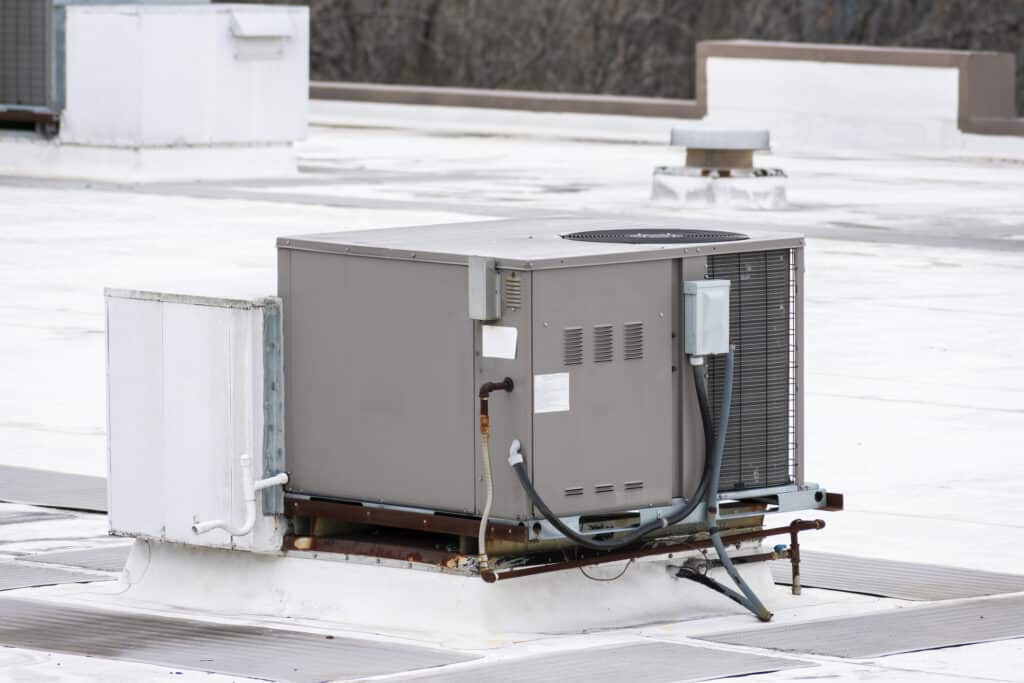
Commercial Heating System Solutions
We start by walking the building with you, not by staring at a brochure. We watch how the lobby doors cycle and how the kitchen exhaust pulls air. We check the thermostat location, and then we head straight to the equipment. You can hear a rooftop unit change tone when a relay sticks. You can also smell a faint dust burn when the heat first kicks on.
We install heat pumps, boilers, furnaces, rooftop units, and VRF systems in commercial spaces. We match the system to how your building actually runs. A school warms up fast in the morning, then coasts. A restaurant loads the space with heat, moisture, and door traffic. We take readings, verify gas and electrical feeds, and confirm the heater responds the way it should.
-
- Heat pumps
- Boilers
- Furnaces
- Rooftop units
- VRF systems
Benefits of Professional Heating Care
When you bring us in, you get eyes on parts you don’t see day to day. We open panels and check for heat staining on wire insulation. We look for soot at the burner face and water marks at the relief line. We listen for a blower that surges, then drops, like it’s fighting static pressure. Those clues tell us where the system struggles.
We also keep the work clean and controlled on site. We stage drop cloths, keep screws together, and label disconnects as we test. If we smell gas at a union, we verify it with a detector and soap solution. If we find corrosion on a terminal, we tighten, clean, and confirm proper draw. That’s how we keep a commercial heater operating the way you expect.
- Hands-on expertise
- Appropriate tools and equipment
- Fast accessibility to replacement parts
- Covered warranty work
- Peace of mind
Commercial Heating Maintenance Programs
During maintenance, we watch the full start sequence and note timing at each step. We check flame signal, draft, and temperature rise while the unit runs. We feel the vibration at hangers and brackets, because loose metal makes noise and wears fast. We also pull filters and note how quickly they load in your space.
Some buildings need one visit before winter, and others need more touches. We see heavy-use facilities load parts faster, especially where doors open constantly. We check belts for glazing, verify motor amps, and confirm safety trips function properly. When we finish, the unit should start clean, run steadily, and shut down without banging.
Commercial Heating Repair Services
When your heater quits, the building reacts fast. You feel it in drafty hallways, cold tile floors, and staff complaints at the front desk. We get in, pull the service panel, and check what the control board shows. We test the voltage at the contactor and confirm that the call for heat reaches the unit. We also listen for the inducer motor that tells us a lot in seconds.
Commercial heating repairs come down to what fails under load. Igniters crack, pressure switches stick, and gas valves drift. Boilers can lose pressure from a small leak at a fitting, leaving rust streaks on the jacket. Rooftop units can short-cycle from a limit trip, and the duct can slap when pressure changes. We run the system after the fix and stay long enough to confirm steady operation.
Trusted Commercial Heating Partner
McCrea has spent over 80 years serving Virginia, Pennsylvania, and Maryland, and that history shows up in how we work on site. We’re a BBB-accredited business with strong Angie’s List reviews, and our satisfaction guarantee backs the work we do. Our NATE-certified technicians support commercial heating through a structured maintenance program, plus loyalty and referral programs that reward long-term partnerships. We show up on time, keep pricing competitive, and stay invested locally through the Rebecca Alt Lanhardt Foundation.
If you want help with commercial heating in Northern Virginia, Maryland, or Pennsylvania, contact McCrea today.
Frequently Asked Questions About Commercial Heating
What commercial heating systems work best for different types of buildings?
The right commercial heating system depends on the building’s size, layout, occupancy, operating schedule, and existing HVAC infrastructure. Furnaces, heat pumps, boilers, rooftop units, and VRF systems can all be appropriate depending on the property and its heating demands.
How often should a commercial heating system be maintained?
Many commercial heating systems should be professionally inspected and maintained at least once before heating season. Buildings with extended operating hours, heavy occupancy, or equipment under greater loads may benefit from more frequent maintenance throughout the year.
What are the signs that a commercial heating system needs repair?
Uneven temperatures, unusual noises or odors, frequent cycling, unexpected shutdowns, difficulty reaching the thermostat setting, and rising energy use can indicate a commercial heating problem. Addressing these symptoms early can help reduce the risk of a larger equipment failure.
Why are some areas of my commercial building colder than others?
Uneven commercial heating can result from airflow restrictions, thermostat or zoning problems, ductwork issues, equipment performance problems, or differences in how individual areas of the building are used. A commercial HVAC evaluation can identify whether the issue originates with the heating equipment, controls, or air distribution system.
When should a commercial heating system be replaced instead of repaired?
Replacement may be worth considering when commercial heating equipment requires increasingly frequent repairs, has become inefficient, can no longer maintain consistent temperatures, or is approaching the end of its expected service life. The condition of the equipment, repair costs, building needs, and long-term operating requirements should all be considered.