

Heat Pump vs. Furnace: Which Heating System Is Right for You?
Michigan gets very cold in the winter. Of course, every resident knows the local weather, which is why a reliable heating system is a must-have. Choosing the right system for your home isn’t always an easy decision, however. You have a lot of options available, and two of the most popular are heat pumps and furnaces. The choice between a heat pump and a furnace ultimately depends on various factors specific to your home and your demands.
At McCreaway, we understand that this is a pretty big investment. We take pride in helping homeowners throughout the area navigate the details to select the right system to provide consistent comfort. Let’s explore the key differences between these popular heating solutions.

Factors That Impact Heating System Choice
Before you pick the heating system that will be a permanent fixture, you should evaluate the factors. There are several key differences between these units.
Here are the primary considerations our experts consider:
1. Climate: Understand the average low temperatures in your specific area so you know how much heat you’ll need.
2. Home size and insulation: The square footage that needs heating will help dictate your final system.
3. Fuel source availability: Whether natural gas is accessible or you rely on propane, oil, or electricity, access to fuel is vital here.
4. Budget: Both the upfront installation cost and the projected long-term operating expenses are considered. Some systems are too expensive to run.
5. Existing ductwork: Whether your current system uses air ducts will impact the choice of your final system.
Understanding these variables is the first step toward making the right decision that meets your comfort needs. We will use this information to create a solution specifically for your home.
Comparing Popular Heating Systems
While all heating systems are designed to keep you warm, some also operate using different technologies and fuel sources. Understanding these differences is critical when evaluating a heat pump vs. a furnace.
Furnaces for Strong Winter Performance
Furnaces are the most traditional and widely used heating systems. A furnace works by heating air through the combustion of fuel or by heating electric coils. That warm air is pushed through your home’s ductwork. Furnaces are known for providing quick, intense, and reliable heat.
We offer a range of high-efficiency gas and electric furnace options. Modern furnaces have impressive Annual Fuel Utilization Efficiency (AFUE) ratings, meaning they convert a high percentage of their fuel into usable heat.
Boilers for Even, Hydronic Heating
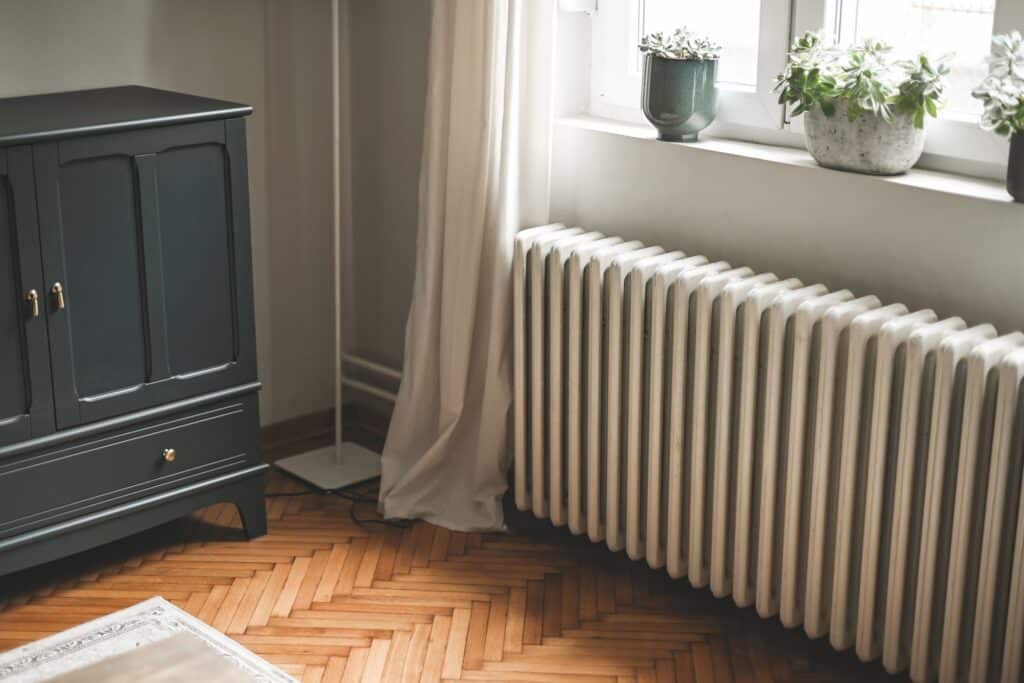
While not a furnace or a heat pump, boilers are also not the odd man out. Boilers use heated water (or steam) that is circulated through a system of baseboard radiators or radiant floor tubing. This is called hydronic heating. It’s a popular option in very cold climates. This radiant heat creates a balanced warmth.
Heat Pumps for Versatile Comfort
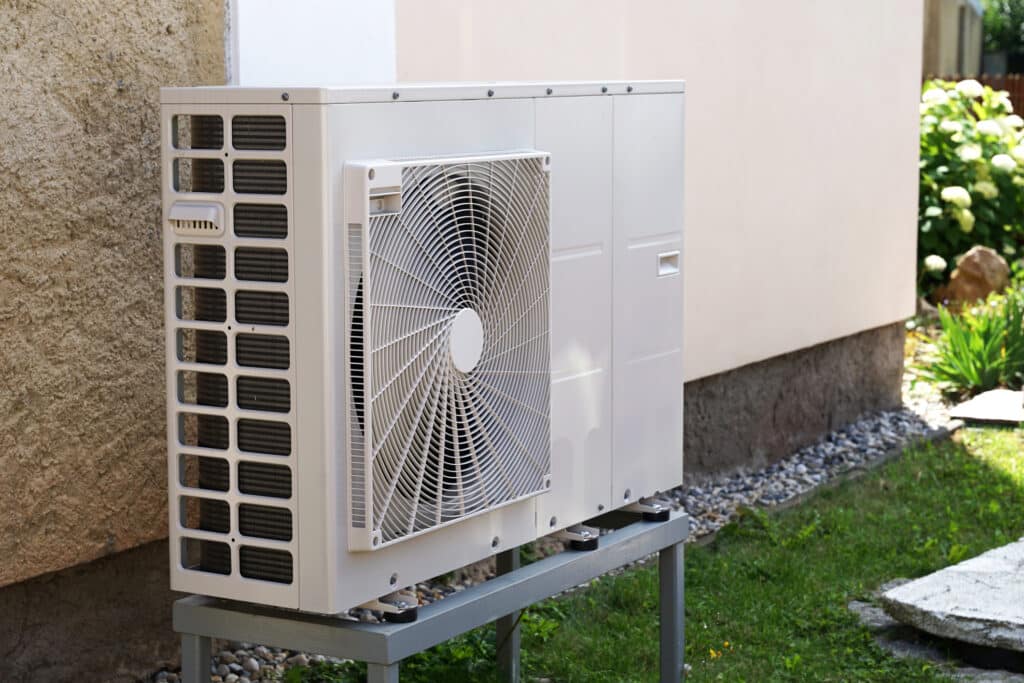
Heat pumps offer a distinct advantage over furnaces. They provide both heating and cooling in a single unit. In winter, a heat pump pulls in ambient heat from outdoor air and transfers it indoors. Yes, even when it’s freezing, the air still has a lot of heat. In the summer, the process reverses, acting like an air conditioner by pulling heat out of your home.
Heat pumps do not generate heat; they move it through the compression and expansion of refrigerant. This requires less energy, making heat pumps more effective overall, including in terms of cost-effectiveness. While heat pumps are becoming increasingly capable in colder regions, their efficiency can decrease in extreme sub-zero temperatures.
Hybrid Heating Systems
The hybrid heating system, also known as “duel-fuel,” is an ideal option for homeowners in climates where temperatures fluctuate dramatically. A hybrid system pairs an electric heat pump with a high-efficiency gas furnace, leveraging the best features of both systems.
These are dual-fuel systems that switch between gas and electric for efficiency. The heat pump runs as the primary source when temperatures are moderate. Then, when the outdoor temperature drops too low, the system automatically switches to the more powerful gas furnace. This strategy allows you to use the most cost-effective fuel source for the immediate weather conditions. In short, you get the best of both worlds here. We highly recommend exploring this option for homeowners demanding reliable warmth in a brutal winter.
Choose the Right Heating System for Your Home
Deciding between a heat pump and a furnace involves making a personal checklist. This should include your budget, home size, needs, average temperature, etc. The heating unit you ultimately choose needs to heat your home efficiently and hopefully not break the bank.
McCreaway stands as the area’s trusted HVAC expert. We specialize in professional installation, repair, and maintenance of all major heating systems. Our full range of services covers heating, cooling, indoor air quality, and more. We take pride in being able to situate you with the ideal heating source for the winter.
No matter the type of heating unit you need, contact McCreaway today for a reliable, efficient system.
Frequently Asked Questions
People who need reliable heat in the cold Michigan climate have a lot of questions. Rightfully so; no one wants to be literally left out in the cold. Read on to find some answers to the most common questions we are asked.
What heating system works best for Michigan winters?
This area gets very cold, often with sub-zero temperatures, and so a gas furnace is probably going to provide the most heat overall. However, that does not mean this is the best system. Fuel source, house size, and other options must be carefully weighed. A dual-fuel approach is likely the safest bet overall for energy savings and efficiency.
Are heat pumps effective in very cold weather?
Modern heat pumps can pull heat out of any normal weather range. When it comes to true efficiency, they’re obviously going to extract less heat from the air when there is less heat in it. Otherwise, they work incredibly well. However, in sub-zero conditions, they won’t be able to do as well as other types of systems, such as furnaces and dual-fuel units.
How do hybrid heating systems help reduce energy costs?
Hybrid heating systems reduce energy costs by prioritizing the most cost-effective fuel source. In moderate temperatures, the system relies on the electric heat pump, which is highly efficient at moving heat, rather than generating it. As noted above, however, this is less efficient when it’s really cold. So, the furnace kicks on, and it’s this prioritization of fuel that saves money on your bills.
When should a homeowner consider replacing their current heating system?
As a homeowner, you should consider replacing your current system if it is 15 years old or more; if it requires frequent, costly repairs; or if your energy bills are steadily climbing without a change in usage. It may be a large upfront investment, but modern systems are far more energy efficient and will save you money over time.