
When Should I Switch From Heating to Cooling?
It can be challenging to determine when to switch from heating to cooling. You don’t want to turn the system on too soon, but you also want to stay safe and comfortable. Looking for clues can help you determine when it’s time to shut the heat off for the next several months.
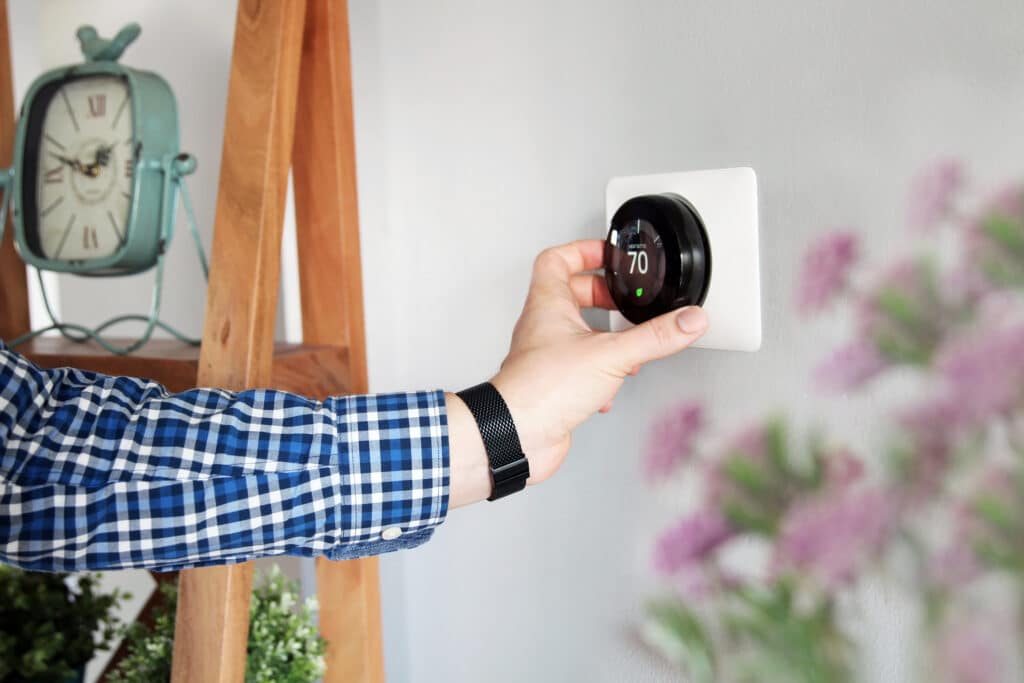
Pay Attention to Morning-to-Night Shifts
Temperatures typically shift from warmer during the day to cooler at night. Consider delaying the switch until the overnight lows consistently stay above your comfort threshold. By waiting until nights are steadily warm, you avoid turning the AC on too early while the house still needs heat. You certainly shouldn’t have both systems turned on at the same time, as this could waste energy and increase utility bills significantly.
Watch for Consistent Warm Temperatures
When temperatures are warm for several days in a row, ideally between 65 degrees and 70 degrees Fahrenheit, it’s a good time to switch. This usually means colder days will become less frequent.
Assess Your Indoor Safety and Comfort Level
Your safety and comfort play crucial roles in determining when you should turn your AC on for the season. Some people are more heat-sensitive than others and may need to turn their cooling system on earlier. Evaluate how you feel on a daily basis as the temperatures start warming up to gauge your threshold.
Energy Cost Considerations
Generally, heating your home takes more energy than cooling it. However, there are other factors involved. For example, an AC system that’s 10+ years old may be less efficient than a younger heating system. The energy cost considerations between heating and cooling should be a factor in your decision.
Scheduling an HVAC Inspection
A spring inspection is essential. Ideally, this HVAC service should happen before you turn your air conditioner on. It offers numerous benefits, including enhancing indoor air quality, boosting safety, and improving efficiency. Our technicians thoroughly inspect both your outdoor condenser and indoor unit. We also perform numerous tasks, from checking for refrigerant leaks to cleaning components. Before leaving, we conduct safety and performance tests to ensure your AC functions optimally.
Schedule Repairs
If, during the appointment, we determine that your unit needs repairs, it’s best to get them done before turning your AC on for spring. Operating your system normally while it has problems strains it, decreasing its lifespan. It uses excess energy in the process, which can increase your utility bills. Additionally, the issues continue to worsen, potentially leading to more severe, costly problems.
Don’t attempt DIY repairs, as this could result in you injuring yourself or damaging the system. You might also inadvertently void the manufacturer’s warranty. They usually include terms stating that only licensed HVAC technicians must handle repairs. If the warranty becomes void, you may have to pay for future repair costs on your own.
Prepare Your Outdoor Condenser
Get your condenser ready for the warmer months before switching on your air conditioning. There should be at least five feet of vertical clearance and two feet of horizontal clearance on all sides. Clear away grass, ivy, plants, and other greenery from the condenser to prevent airflow disruption. It’s also important to move away any outdoor furniture or other items.
Take Cues From Your Heater
If your heater is still kicking on, you might want to hold off turning on the air conditioner. This means the temperatures might not yet be where you prefer to completely shut the system down for the season.
Consider Alternative Cooling Methods
If the temperatures are warming up, you don’t necessarily have to turn the AC on just yet, even if you want to turn the heat off. There are several alternative cooling methods you can try, including a window fan, a ceiling fan, and a box fan. They can help you maintain comfort in your home without needing to fully commit to AC cooling. It can also be helpful to open your windows to create a cross breeze during the coolest parts of the day.
Replace or Clean the Filter
Always clean or replace the filter in your HVAC system when going into a new season. Generally, you should replace disposable filters every few months. However, do it more often if there are allergy sufferers, pets, children or seniors in your home. Clean reusable filters at least once a month.
If you’ve never done the task before, it’s easy and can help your system function efficiently. For your safety, turn the unit off before starting. If you have a reusable filter, gently remove it from the unit and wash it carefully in the sink. Let it dry completely before putting it back in. Disposable filter maintenance is even easier. Remove the dirty one from the system and put the clean one in. Turn the unit back on when you’re finished.
Make Comfort a Priority Today
Start creating a comfort plan to get your HVAC system ready for the warmer weather. McCrea Heating & Air Conditioning in Pennsylvania, Delaware, Virginia, and Maryland offers high-quality inspections, maintenance, and other HVAC services. Contact us now to schedule your appointment.