

How to Choose the Right AC System for Your Home
Homeowners often feel overwhelmed when shopping for a new AC, especially when they’re scrambling to beat the summer heat. There are many important considerations for air conditioning installation: comfort preferences, home size and layout, efficiency targets, and more. Let’s explore what you should know to avoid high energy bills and uneven cooling.
Factors to Consider When Choosing an AC System
Professional AC installation is important because there are so many factors to consider. Overlooking one or more can result in higher costs now and in the years ahead.
- Home size and layout
- Existing ductwork
- Comfort and cooling challenges
- Energy efficiency and budget
Home Size and Layout
Smaller homes are easier to cool, while larger houses present unique challenges. The general guideline is to aim for 20 to 30 BTUs of cooling output per square foot. You must also account for your home’s ceiling heights and floor plan. Homes with open floor plans, multiple levels, or difficult-to-cool rooms, such as sunrooms and server rooms, all require additional cooling output.
Existing Ductwork
While you can use your existing ductwork, there are some important considerations. Rigid metal ductwork can last 25 years or more, and that’s the point at which you want to consider replacing it. Even with younger ductwork, you may need maintenance and repairs, including duct sealing. It may also be worthwhile considering upgrades, including mechanical ventilation and duct dampers.
Comfort and Cooling Challenges
It’s also important to account for your home’s unique building envelope. As a house ages, its envelope can become looser, presenting several cooling challenges.
- Uneven temperatures
- Inconsistent airflow
- Warmer upstairs levels
- More humid lower levels
Energy Efficiency and Budget
Modern AC systems can greatly improve efficiency, thereby reducing your operating costs and household carbon footprint. Maximizing your investment requires balancing the upfront costs with the long-term energy savings. An expert installer can help you choose the SEER2 rating that strikes that balance. While the minimum is between 13.4 and 14.3, depending on your location, many find their sweet spot between 15.2 and 17.0. Those higher ratings may also make you eligible to claim rebates, tax credits, and other incentives.
Comparing Popular Residential Cooling Systems
There are multiple configurations available for your air conditioner replacement. Those include central and ductless air conditioning, as well as heat pump systems.
Central AC Systems
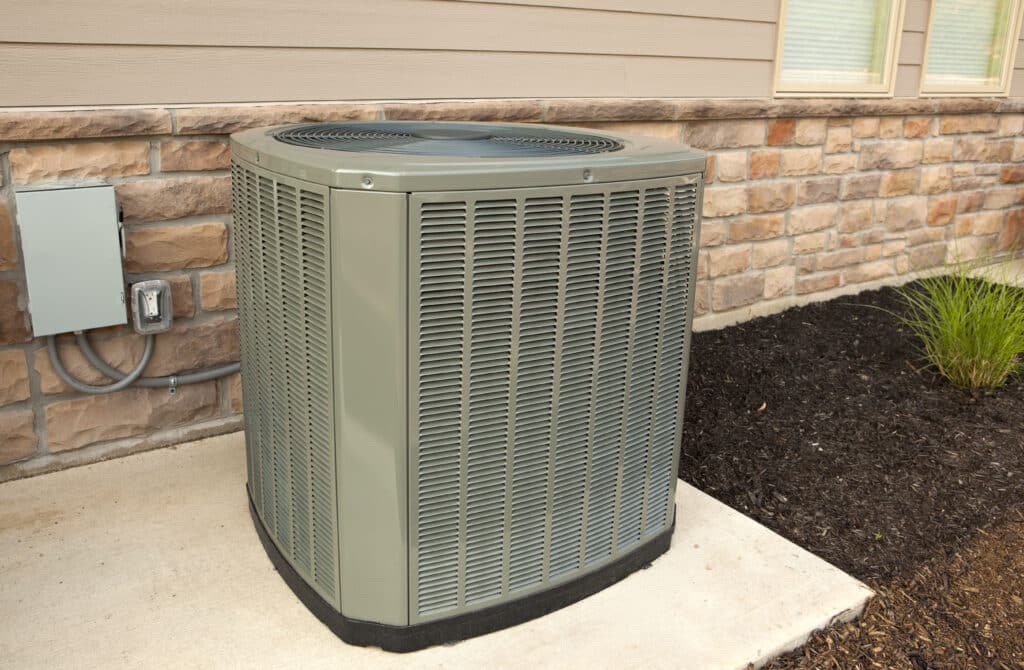
Over two-thirds of U.S. homes have central cooling. Central AC is simply the most effective and efficient way to provide consistent cooling throughout an entire home, especially large ones. It’s an ideal option for houses that already have ducts. There are also add-ons available to make central AC even more efficient, including smart thermostats and zone control systems.
Ductless Mini-Split Systems
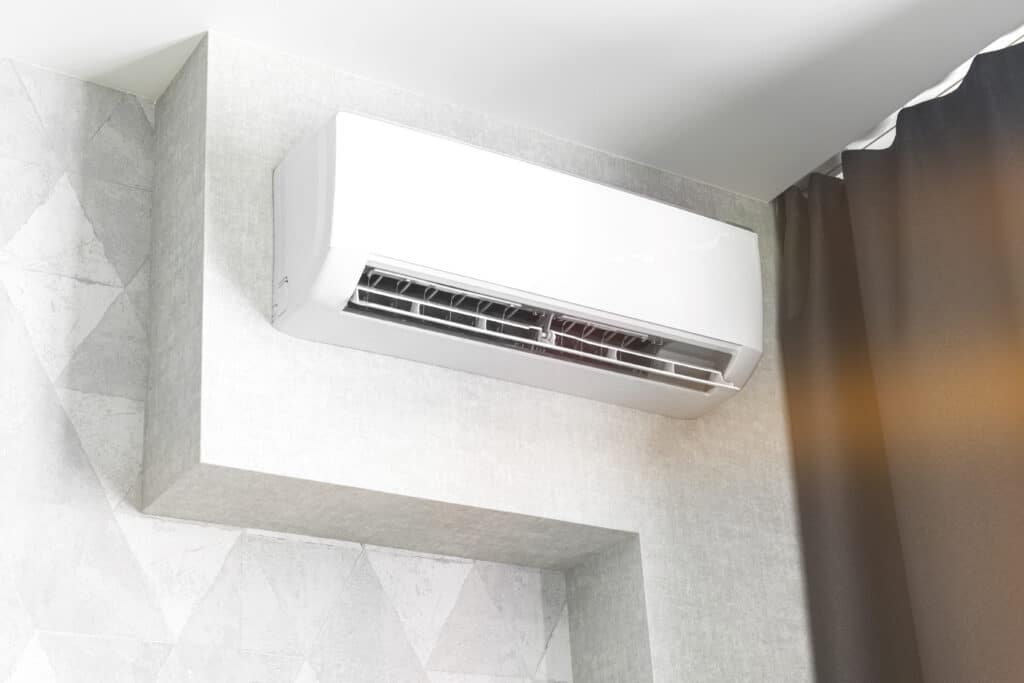
Ductless mini-splits don’t need ducts because they have individual indoor air handlers. That integrated zone control makes these systems inherently more efficient than basic central arrangements. Mini-splits are ideal for older houses without ducts and for adding central AC zoning to bedrooms. They’re also a popular choice for home additions, finished basements, garages, and home offices.
Heat Pumps
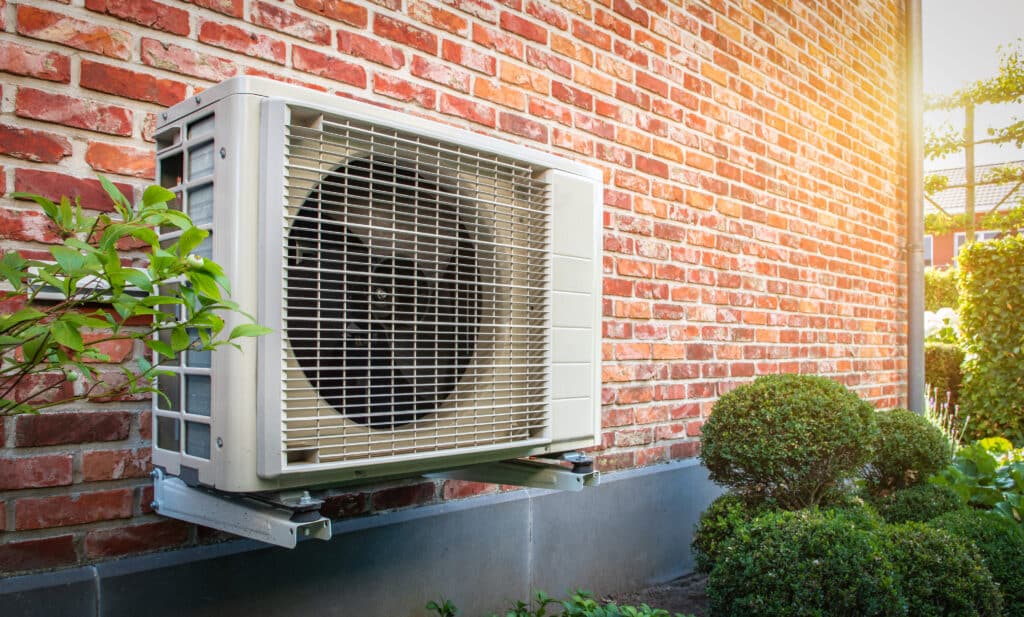
A heat pump is similar to an AC, but it can reverse its refrigeration cycle to provide heating as well. That heating is often much cheaper than from traditional options like furnaces and boilers. Consider a heat pump if you want to upgrade your HVAC system to an all-in-one solution that provides year-round comfort. Heat pumps are available in both ducted and ductless configurations.
Why Proper Sizing and Installation Matter
There is no one-size-fits-all solution for cooling output. AC experts recommend custom load calculations to achieve accurate sizing for a particular home.
- Uneven cooling
- Poor humidity control
- Irregular system cycling
- Higher long-term equipment costs
Through a professional air conditioner replacement, you can maximize comfort, reliability, efficiency, and system lifespan. Experts also recommend replacing your AC before summer. It’s generally less expensive and more convenient, and early replacement will help you avoid emergency breakdowns during the summer.
Let Us Help You Choose the Best AC for Your Home
Trust McCrea Heating & Air for your custom air conditioning installation. We serve homeowners from our locations in Bridgeville, DE; Temple Hills, MD; Greencastle, PA; and Warrenton, VA. Let us help you beat the heat before peak summer demand and your current system breaks down.
Call today to schedule a consultation to help you choose the perfect system for your home and budget.